
26
Jul
If you’re searching for probability of committing a type i error images information related to the probability of committing a type i error interest, you have come to the right blog. Our site frequently gives you suggestions for seeing the maximum quality video and image content, please kindly surf and locate more enlightening video articles and graphics that match your interests.
Probability Of Committing A Type I Error. Saul McLeod published July 04 2019. The probability Total Probability Rule The Total Probability Rule also known as the law of total probability is a fundamental rule in statistics relating to conditional and marginal of committing the type I error is measured by the significance level α of a hypothesis test. If men and women are really the same in the real world you have committed a type-1 error. The probability of making a type I error is α which is the level of significance you set for your hypothesis test.
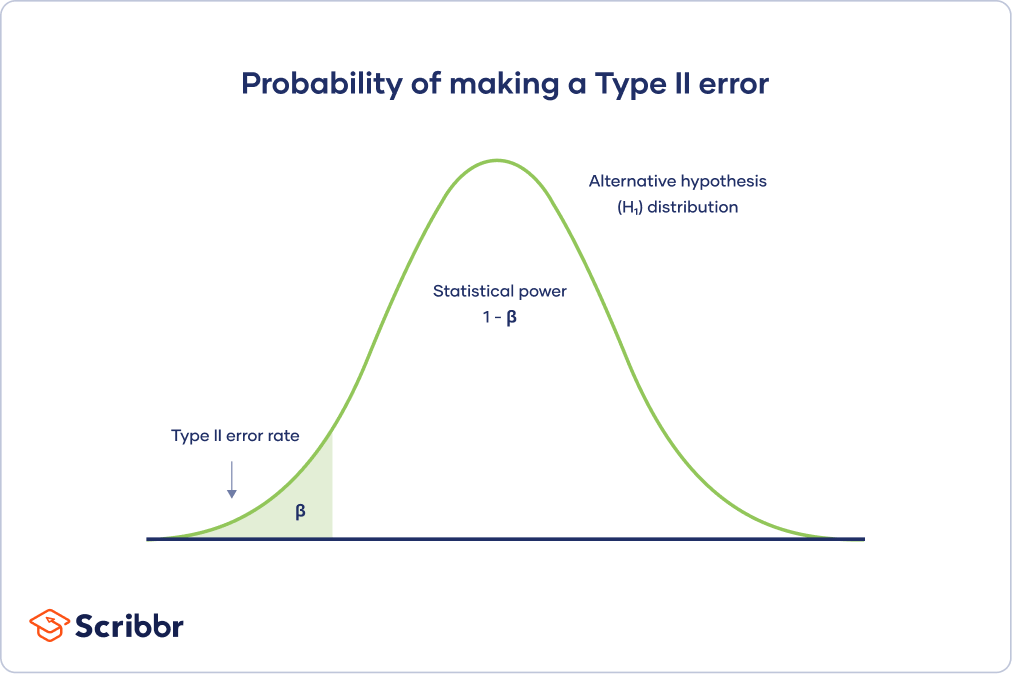
The probability of a Type I error - YouTube. Type II error also known as a false negative. Whenever we reject a true null hypothesis we say that a Type I error was committed. Reject H 0 when H 0 is true Type II error. View the full answer Transcribed image text. To lower this risk you must use a lower value for α.
The probability of making a type I error is α which is the level of significance you set for your hypothesis test. Type II error also known as a false negative. Second lets assume that the null hypothesis is false which is the same as saying that the alternative hypothesis is true and that the percentage of American females with blue eyes is in. If men and women are really the same in the real world you have committed a type-1 error. The probability of making this error would be equal to the area in the rejection region which is determined by the. The power of the test D.
Previous post
Probability of flipping a coinNext post
Probability of coin toss